
Off-Lead Dog Parks in Australia: Etiquette, Risks and When to Skip Them
Master off lead dog park etiquette Australia-wide: council rules, reading dog body language, which dogs to keep home, and how to leave without drama.

Written by Bradley Brown
Founder & editor · Reviewed 2026-11-10
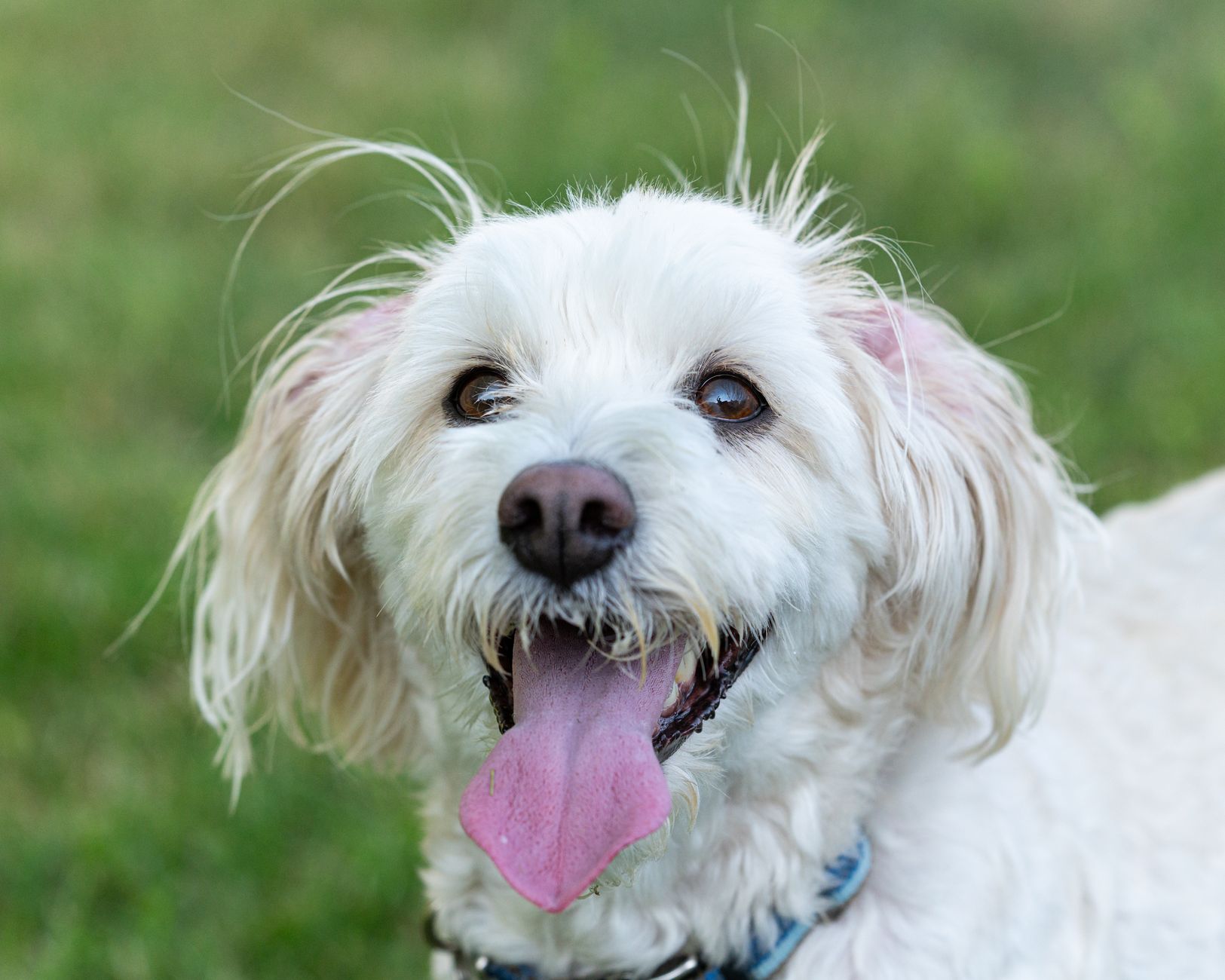
Sarah pulls into the car park at her local council off-lead area, Baxter bouncing off the back seat before she's even unbuckled. Within two minutes a large dog has bowled him over, another is guarding the water bowl, and Baxter — who was fine last month — is barking at every dog that approaches. Sarah leaves feeling embarrassed, convinced she's somehow broken her dog. She hasn't. This happens every weekend across Australia, and it's almost never the owner's fault.
What's actually happening at the dog park
Off-lead areas are artificial environments. We take dogs of wildly different ages, breeds, play styles and social histories, fence them together, and expect them to get along. Sometimes they do. Sometimes the mix on a given afternoon is just wrong, and even a well-socialised dog can tip into overwhelm, guard behaviour or conflict.
Baxter isn't broken. He's probably overstimulated, possibly a little under-confident, and responding exactly as an anxious dog would. The good news: understanding how these spaces work makes them far more useful — or helps you decide they're not the right tool for your dog right now, and that's completely fine.
Know the rules before you unclip the lead
Every Australian council sets its own off-lead dog park rules, and they vary more than most people realise. Common requirements include:
- Dogs must be vaccinated and registered (proof is rarely checked but legally required in most states).
- You must carry a lead at all times and be able to recall your dog immediately.
- Some parks prohibit dogs in season, dogs under a certain age (commonly four months, post-vaccination), and sometimes entire breeds under local laws.
- Owners are legally liable for any injury or damage their dog causes.
Check your specific council website before visiting a new park. In NSW, the Companion Animals Act 1998 governs off-lead areas; Victoria operates under the Domestic Animals Act 1994; Queensland under the Animal Management (Cats and Dogs) Act 2008. The fines for a dog that injures another animal or person can reach several thousand dollars, and ignorance of local rules isn't a defence.
Practically speaking: pick up after your dog every time, don't bring food or high-value treats inside (they trigger resource guarding fast), and keep your eyes on your dog rather than your phone.
Reading play versus reading trouble
This is the skill that makes or breaks a dog park visit. Healthy dog play looks reciprocal — dogs take turns chasing, they bounce and self-handicap (a bigger dog will flop on its side to even things up), and they offer regular breaks where both dogs reset. Watch for loose, wiggly bodies and open mouths.
Trouble looks different:
- One dog is always the chaser, the other is always fleeing and not circling back for more. That's not play — it's predatory drift or bullying.
- Stiff, tall posture with a high, slow tail wag. This is arousal and potential threat, not happiness. A fast, low wag with a loose rump is the friendly version.
- Mounting that doesn't stop when the other dog objects. Some mounting is normal play; persistent mounting that one dog is clearly uncomfortable with is a problem.
- Hackles up, hard stare, lips pulled back. Intervene calmly before this escalates.
- A group of dogs chasing one dog that isn't engaging back. Remove your dog from the pile immediately.
If Baxter started barking at every approach, he was likely hitting threshold — his stress bucket was full. The right call in that moment is exactly what Sarah did: leave. That's not failure; that's good reading.
Which dogs are better off skipping the dog park
Dog parks aren't right for every dog, and knowing this saves everyone stress.
Puppies under 12 weeks of full vaccination shouldn't be at high-traffic off-lead areas due to disease risk (parvovirus survives in soil for months). Even after full vaccination, a single bad experience with a rough adult dog during the socialisation window (up to roughly 16 weeks) can create lasting fear. Puppy classes and controlled playdates are safer bets.
Dogs with a history of dog-directed reactivity or aggression. A dog park will not "socialise" a reactive dog — it will rehearse the problem. These dogs need a structured behaviour modification programme, ideally with a qualified trainer (look for a member of the Delta Society Australia or the PPGA).
Elderly or arthritic dogs can be accidentally injured by enthusiastic younger dogs. A quiet on-lead walk serves them better.
Intact males in a mixed group frequently trigger tension, particularly with other intact males. This isn't a universal rule, but it's a common enough flashpoint that many experienced owners avoid the combination.
Any dog that is unwell, recovering from surgery, or in season. Beyond the obvious physical risks, a dog in pain is far more likely to respond defensively to contact.
A week-by-week approach for a nervous visitor
If Baxter's park anxiety is relatively new, a simple reset works well and takes only five to ten minutes a day.
Week one: Drive to the park, sit in the car with Baxter, let him watch dogs through the window. Feed small treats for calm observation. Leave before he gets worked up. You're just reloading his positive association with the location.
Week two: Walk the perimeter of the park on lead during a quiet time — early morning on a weekday is gold. Let him sniff the fence line. No entry yet.
Week three: Enter the park during an off-peak time with one familiar, calm dog if possible. Keep visits to five minutes. Leave before arousal builds. Short, positive exits are the entire goal right now.
Week four onwards: Gradually extend time, but keep the golden rule — always leave on a good note, before he tips over threshold. Recall him, pop the lead on calmly (practise this at home so the lead doesn't become a signal that fun ends), offer a treat, walk to the gate together.
That last point about leaving is where most visits go wrong. Owners wait too long, the dog is already over-threshold, and then the lead becomes the focus of a tantrum. Practise "lead on, treat, two more seconds of sniffing, then exit" as a ritual from the very first visit.
When to walk away from a problem in the moment
If you see a fight starting — not rough play, an actual conflict — stay calm, use a sharp noise or a water bottle spray to interrupt if you have one, and step between the dogs using your body rather than grabbing collars (bites during breakups often land on the intervening hand). Once separated, check your dog over, speak to the other owner if it's safe to do so, and document any injuries with photos. Report serious incidents to your local council ranger.
If you're unsure whether something is play or conflict and you feel uneasy, trust that instinct. Remove your dog, let the situation settle, and reassess. No visit is worth a bite or a traumatic experience that takes months to undo.
The dog park can be a genuinely great resource — cheap, local, and tiring in the best possible way. It just works better when owners understand what they're walking into.
Frequently asked questions
Are dog parks free in Australia and do I need to register my dog to use them?
Most council off-lead dog parks in Australia are free to access. However, your dog is legally required to be microchipped and registered with your local council in every state and territory. You don't usually need to show paperwork at the gate, but you are responsible for ensuring your dog meets local requirements before entering.
What should I do if my dog gets into a fight at the dog park?
Stay calm and avoid grabbing collars, as hands are often bitten during breakups. Use a sharp noise, a water spray, or place a physical object between the dogs to interrupt the conflict. Once separated, check both dogs for injuries, exchange contact details with the other owner, and photograph any wounds. Serious incidents can be reported to your local council animal management officer.
Can I take my puppy to an off-lead dog park in Australia?
Most vets recommend waiting until at least two weeks after your puppy's final vaccination course is complete before visiting high-traffic off-lead areas, due to risks from parvovirus and other diseases. Even then, choose quiet times and keep visits short — one overwhelming experience with a boisterous adult dog during the socialisation window can cause lasting fear. Puppy classes offer a safer, supervised alternative.
Why does my dog bark or react badly at the dog park even though he's fine on walks?
Dog parks are high-stimulation environments with unpredictable dogs, tight spaces, and no natural escape route — very different from a structured walk. Many dogs hit a stress threshold quickly and react with barking, lunging or shut-down behaviour. This is a normal stress response, not a sign your dog is aggressive or permanently socialisation-damaged. Shorter, lower-stimulation visits or controlled playdates often help reset the pattern.
How do I stop my dog being a nuisance to other dogs at the park?
Watch for one-sided chasing, persistent mounting, or other dogs moving away repeatedly — these are signs your dog's style is bothering others. Interrupt the behaviour with a recall, give your dog a short break on lead beside you, then re-release. If the pattern keeps repeating, end the visit early. Practising a solid recall at home before every park visit is the single most useful thing you can do.
Is it rude to leave a dog park quickly or is there a minimum stay expected?
There is no minimum stay, and leaving early is often the smartest move. Experienced dog owners and trainers generally recommend short, positive visits over long ones — leaving while your dog is still calm and happy builds a better association than waiting until things go wrong. Five to ten minutes of good interaction is worth far more than an hour of escalating stress.
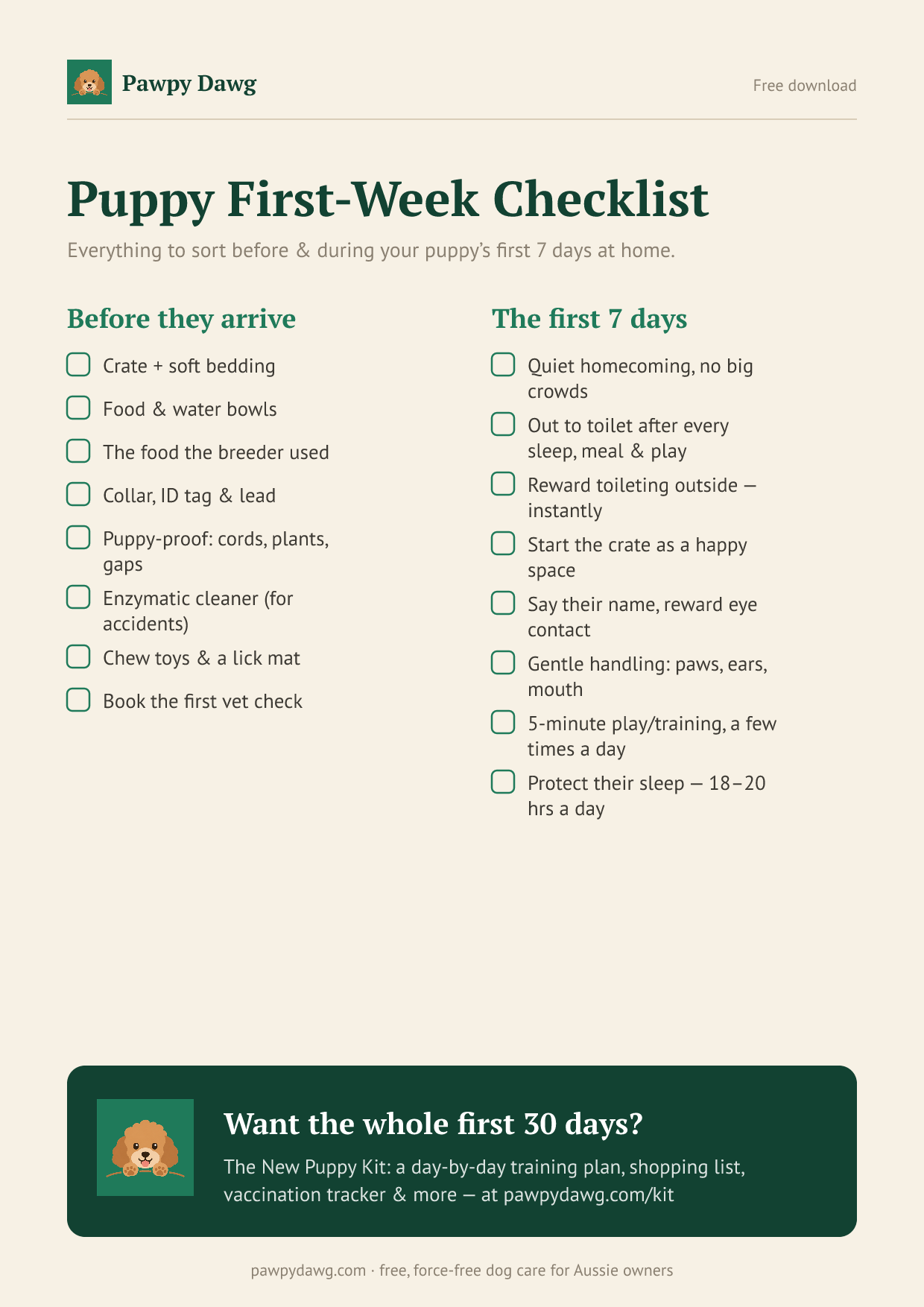
Free printable
Free: the Puppy First-Week Checklist
Everything to sort before and during your puppy's first 7 days home — a printable one-pager. Plus the occasional genuinely useful dog tip. No spam, unsubscribe anytime.
Related guides
Is Pet Insurance Worth It in Australia? The Honest Maths
Is pet insurance worth it in Australia? We crunch real premiums vs real vet bills — cruciate surgery, snake bite & more — so you can decide with confidence.
Read the guide →
How Much a Dog Really Costs Per Year in Australia (2026 Breakdown)
How much does a dog cost per year in Australia? 2026 line-item breakdown covering food, vet, insurance, grooming & the costs first-timers always miss.
Read the guide →
Dog Vaccination Schedule in Australia: What, When and What It Costs
Confused by C3, C5 and kennel cough? Here's your complete dog vaccination schedule Australia cost guide — puppy timelines, adult boosters & typical AUD prices.
Read the guide →