
How to Choose Dog Food in Australia: Dry, Wet, Raw and Fresh Compared
Dry, wet, raw or fresh — find the best dog food in Australia for your budget and lifestyle, plus how to read AU labels and switch foods safely.

Written by Bradley Brown
Founder & editor · Reviewed 2026-11-07
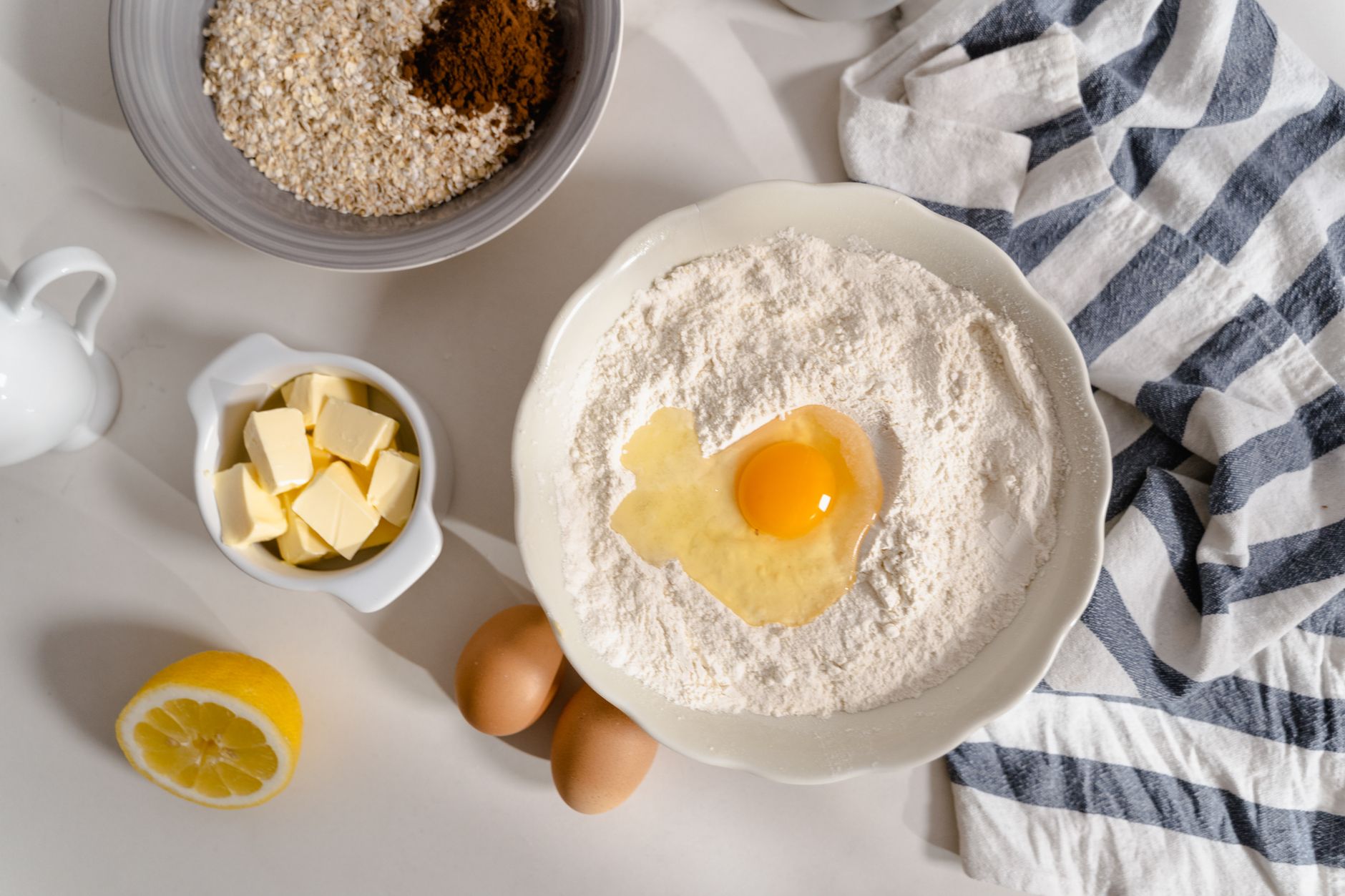
Sarah picks up another half-eaten bowl of kibble from the laundry floor and wonders if she's doing something wrong. Her two-year-old Staffy cross, Biscuit, has been turning his nose up at the same bag of dry food for three weeks. A quick scroll through Facebook groups leaves her more confused than ever — raw feeders swearing kibble causes cancer, kibble devotees warning that raw will kill her dog, and fresh-food companies running ads that make every other option look negligent. She just wants to feed Biscuit well without spending her entire Saturday prepping dog meals.
If that sounds familiar, you're not alone — and you haven't ruined your dog.
What's actually in each type of food
Understanding what you're buying matters far more than following any one feeding camp.
Dry food (kibble) is the most widely fed option in Australia. It's cooked at high temperatures, which extends shelf life and kills pathogens. Reputable brands are formulated to meet AAFCO or PFIAA nutritional guidelines, meaning the macros and micronutrients are balanced. The trade-off is that heat processing reduces some heat-sensitive nutrients (certain B vitamins, for instance), and cheaper bags often pad out protein content with plant-based fillers rather than quality meat. Cost per day for a medium dog (say, 15 kg) typically runs $1.50–$3.50 AUD depending on brand tier.
Wet food (canned or pouched) has a higher moisture content — usually 70–80% water — which can support urinary tract health and suits dogs who don't drink enough. It's more palatable, which is why Biscuit might wolf down a pouch while ignoring his kibble. Nutritionally, premium wet foods are complete and balanced; supermarket-brand varieties often aren't labelled as "complete" and are better treated as a topper. It's significantly more expensive per calorie than dry — roughly $2.50–$6.00 AUD per day for a 15 kg dog eating wet food alone.
Raw feeding (BARF or prey model) means feeding uncooked meat, raw meaty bones, organ meat and sometimes vegetables. Done properly with a genuinely balanced recipe, it can be a legitimate choice. Done sloppily — which happens more often — it creates real nutritional gaps (especially calcium-phosphorus imbalance) and food-safety risks from pathogens like Salmonella and Campylobacter that affect both dogs and the humans handling the food. Pre-made commercial raw patties from reputable Australian brands (Proudi, Big Dog, Frontier Pets) are more reliably balanced than DIY raw, though cost climbs to $4.00–$9.00 AUD per day. Freezing reduces but does not eliminate pathogen risk.
Fresh/gently cooked food is the fastest-growing segment in Australia right now. Brands like Lyka and Scratch cook or lightly process whole ingredients at lower temperatures than kibble, aiming to preserve more nutrients while eliminating raw pathogen risk. They're typically delivered frozen or refrigerated. Nutritional profiles vary — check that the product carries an AAFCO-complete statement. It's the most expensive option: $5.00–$12.00 AUD per day for a medium dog is common.
How to read an Australian pet food label without a chemistry degree
Australia's pet food industry is regulated under the PFIAA Model Code and Australian Standard AS 5812. Here's what actually matters on the bag or can:
- "Complete and balanced" — this phrase, or an AAFCO/PFIAA nutritional adequacy statement, tells you the food is formulated to meet all your dog's daily needs on its own. Without it, the food is a complement or treat, not a sole diet.
- Ingredient order — ingredients are listed by weight before processing. "Chicken" appearing first is good, but "chicken meal" (dehydrated) further down may actually deliver more protein per gram than fresh chicken listed first. Don't judge solely by ingredient one.
- Life stage — "All life stages" covers puppies and adults. "Adult maintenance" does not meet puppy or pregnant/lactating dog needs.
- Guaranteed analysis — this lists minimum crude protein and fat, and maximum moisture and fibre. It's useful for comparing products on a dry-matter basis (strip out moisture to get a fair comparison between wet and dry).
One thing Australian labels don't have to include is a full amino acid or micronutrient breakdown, so for dogs with health conditions, talking to a vet or board-certified veterinary nutritionist is worth it rather than trying to decode this yourself.
Week-by-week: switching foods without wrecking your dog's stomach
Biscuit's digestive system — like most dogs' — needs a gradual handover when moving between food types. Gut microbiome shifts take time, and switching cold turkey is the single most common cause of food-related diarrhoea.
Days 1–3: Replace 25% of the current food with the new food. Keep everything else the same — same feeding times, same bowl placement. If you're moving to raw or fresh, start with a single protein source (chicken is usually lowest-risk).
Days 4–6: Move to 50/50. Watch for loose stools or vomiting. A day of slightly soft poo is normal; more than that, or any blood, means slow down or stop and check with your vet.
Days 7–9: 75% new food, 25% old. Most dogs are fine here.
Day 10 onwards: Full transition complete.
If you're switching from kibble to raw specifically, some practitioners suggest a 24-hour fast before introducing raw, as the two digest at different rates and can sit badly together. It's optional, but it's one reason some owners report trouble when mixing raw and dry in the same meal long-term.
Biscuit's reluctance to eat his kibble, by the way, is often a palatability issue rather than a nutritional one. Adding a small amount of wet food as a topper — even just a tablespoon — can reignite interest without committing to a full diet change.
Matching food type to your actual life
There's no single best dog food in Australia for every dog. There's the best food for your dog, in your circumstances.
- Tight budget, medium-to-large dog: A well-reviewed dry food from a brand that publishes nutritional testing (not just formulation) is a sound, defensible choice. Add a wet food topper occasionally for palatability.
- Small dog or fussy eater: Wet food or a dry/wet mix tends to work well. Calorie density matters less when daily intake is small.
- Health-conscious but time-poor: Pre-made commercial raw or gently cooked delivery services remove the guesswork. Budget for it; the cost is real.
- Willing to invest time and research: DIY raw can work, but please use a veterinary-nutritionist-designed recipe rather than one from a Facebook group. The stakes of getting it wrong over years are significant.
Whatever you choose, the most important thing is consistency and monitoring. Weigh your dog every few months, watch their coat, energy and stool quality, and adjust. That's genuinely all it takes.
Frequently asked questions
What is the best dog food in Australia for a dog with a sensitive stomach?
Look for a complete and balanced food with a single, novel protein source (such as kangaroo, salmon or duck) and limited ingredients. Avoid foods with artificial additives or multiple protein sources until you've identified what your dog tolerates. If symptoms persist beyond a food transition period, have your vet rule out underlying conditions like IBD or food allergies.
Is raw feeding safe for dogs in Australia?
Commercial raw foods from reputable Australian brands are a safer starting point than DIY raw, as they're more likely to be nutritionally balanced. All raw meat carries some pathogen risk — particularly for households with young children, elderly people or immunocompromised individuals who handle the food or the dog. If you choose raw, source from a supplier that tests for pathogens and follow strict hygiene practices.
How do I know if my dog's food is nutritionally complete?
Check the label for a statement saying the food is 'complete and balanced' or that it meets AAFCO or PFIAA nutritional profiles for your dog's life stage. If that statement isn't present, the food is a topper or treat, not a sole diet. When in doubt, ask your vet — they can assess whether your dog's overall condition reflects good nutrition.
How much does it cost to feed a dog in Australia per day?
For a medium dog (around 15 kg), budget roughly $1.50–$3.50 AUD per day for quality dry food, $2.50–$6.00 for wet food, $4.00–$9.00 for commercial raw, and $5.00–$12.00 for fresh or gently cooked delivery services. Costs vary by brand, dog size and where you buy — buying dry food in bulk often reduces the daily cost significantly.
Can I mix dry and wet dog food together?
Yes — mixing dry and wet food is common and generally fine. It can improve palatability for fussy dogs and add moisture to a dry-food diet. Just account for the total calorie intake across both foods to avoid overfeeding, using the feeding guides on each product as a starting point and adjusting based on your dog's body condition.
How long does it take to switch dog food without causing an upset stomach?
A 10-day gradual transition is the standard recommendation: start with 25% new food and increase every few days until fully switched. Slower is always safer — some dogs with sensitive stomachs do better over 2–3 weeks. If you see more than a day or two of loose stools, slow the transition down rather than pushing through.
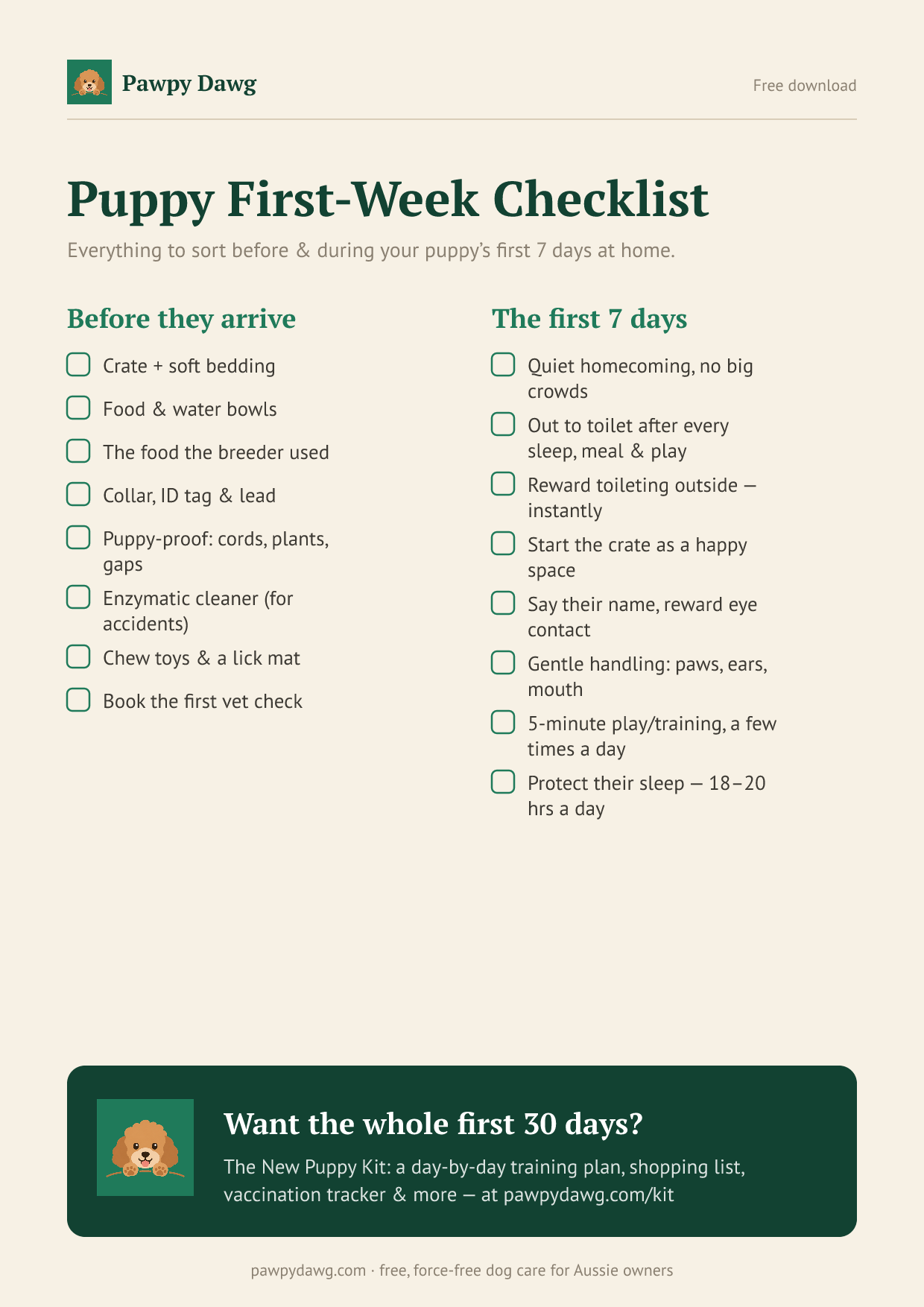
Free printable
Free: the Puppy First-Week Checklist
Everything to sort before and during your puppy's first 7 days home — a printable one-pager. Plus the occasional genuinely useful dog tip. No spam, unsubscribe anytime.
Related guides

Is Pet Insurance Worth It in Australia? The Honest Maths
Is pet insurance worth it in Australia? We crunch real premiums vs real vet bills — cruciate surgery, snake bite & more — so you can decide with confidence.
Read the guide →
How Much a Dog Really Costs Per Year in Australia (2026 Breakdown)
How much does a dog cost per year in Australia? 2026 line-item breakdown covering food, vet, insurance, grooming & the costs first-timers always miss.
Read the guide →
Dog Vaccination Schedule in Australia: What, When and What It Costs
Confused by C3, C5 and kennel cough? Here's your complete dog vaccination schedule Australia cost guide — puppy timelines, adult boosters & typical AUD prices.
Read the guide →