
Dog Boarding vs Pet Sitters in Australia: Costs and How to Choose
Dog boarding vs pet sitter Australia: compare kennels, home boarding, in-home sitters & daycare on cost, stress, and what to ask before you book.

Written by Bradley Brown
Founder & editor · Reviewed 2026-11-08
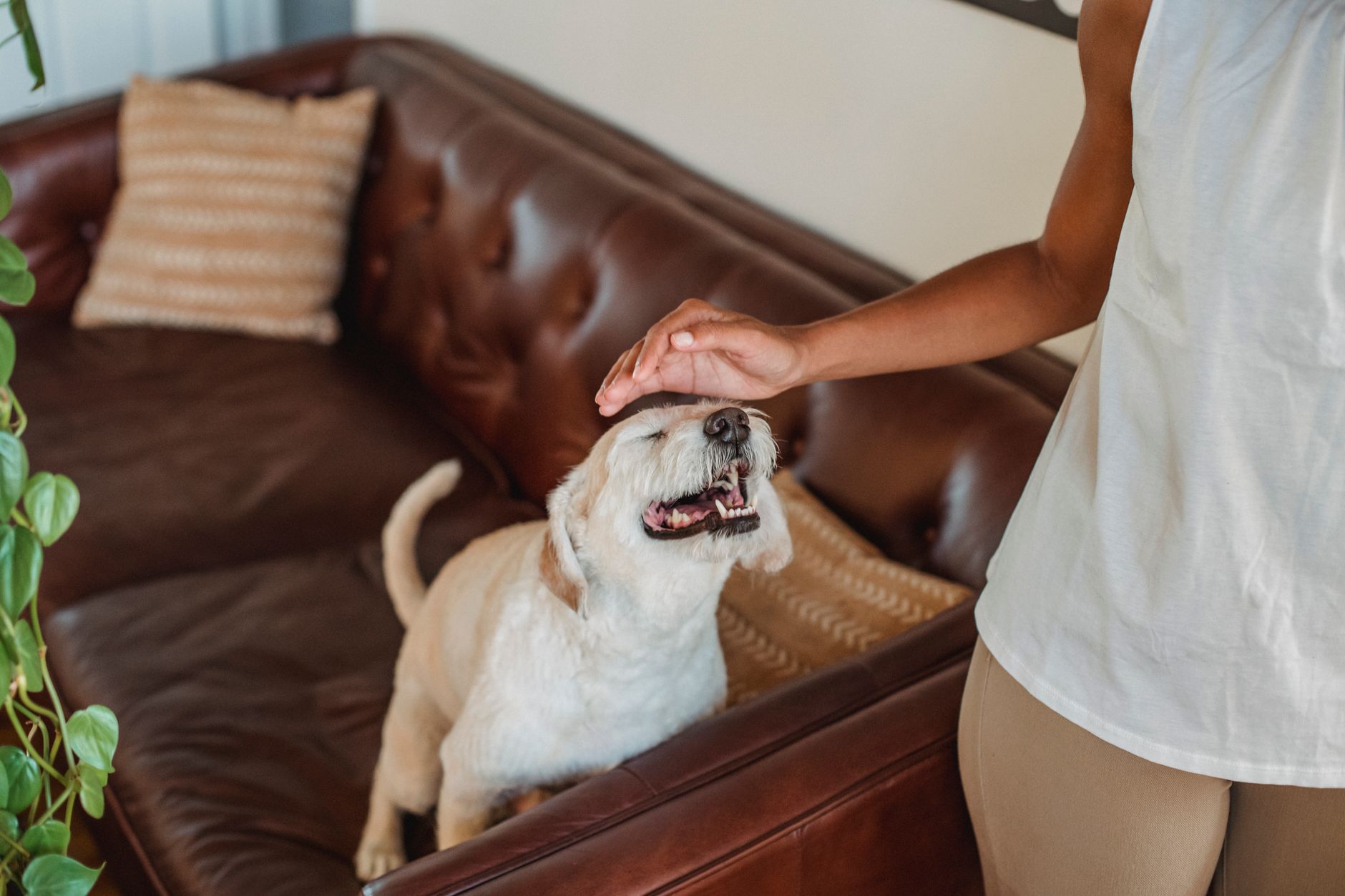
Leaving your dog while you travel is genuinely stressful — not because you've failed them, but because you care. Here's a straight comparison of every option available to Australian owners, so you can book with confidence rather than guilt.
What's the actual difference between a kennel, home boarding, and a pet sitter?
Traditional kennels (also called catteries or boarding facilities) house your dog in a run or enclosure at a dedicated facility. Staff are on-site, dogs are separated from other guests except during structured play sessions, and the environment is purpose-built for safety. Quality varies enormously — from bare-bones concrete runs to resort-style setups with heated beds and webcams.
Home boarding means your dog stays in a private person's home, usually with one or two other dogs at most. The host lives with the dog, so your pet gets a domestic routine rather than a facility schedule. In Australia, home boarders should hold a police check and, depending on your state or territory, may need council approval to operate as a business.
In-home pet sitters come to your house. Your dog never leaves their own territory, which is the lowest-stress option for many dogs — particularly anxious dogs, seniors, or breeds that don't socialise easily. Some sitters stay overnight (house-sitting); others visit one to three times a day.
Doggy daycare is a daytime-only option — your dog spends the day in a group setting and comes home at night. It suits dogs with high social needs and owners who work long hours, but it's not a holiday solution on its own.
How much does each option cost in Australia?
Prices shift by city and season, but here's a realistic snapshot for 2024–25:
| Option | Typical Cost (AUD) | Notes |
|---|---|---|
| Traditional kennel | $35–$80/night | Higher in Sydney/Melbourne; "luxury" kennels up to $120+ |
| Home boarding | $45–$90/night | Often includes meals, walks, and couch access |
| In-home sitter (visits) | $20–$40/visit | Usually 30–60 min per visit; 2–3 visits/day recommended |
| In-home sitter (overnight) | $60–$120/night | Full house-sitting; pricing reflects local rental costs |
| Doggy daycare | $35–$75/day | Packages (e.g., 10-day passes) reduce per-day cost |
Peak-period surcharges are real. Christmas, Easter, and school holidays can add 20–40% at popular facilities. Book early — good sitters and home boarders fill up by October for the Christmas period.
What you're actually paying for differs between options. A kennel fee covers shelter, feeding, and basic supervision. A home boarder or sitter fee often includes individualised attention, walks, photo updates, and behavioural observation that a busy kennel simply can't match at scale.
Which option is least stressful for my dog?
This depends more on your individual dog than on the category of care. Research into canine stress consistently shows that dogs who are well-socialised and confident in new environments can adapt to kennels without lasting distress. Dogs who are anxious, reactive, elderly, or heavily bonded to a single person tend to fare better with options that maintain familiar cues — their own home, their own smells, their own bed.
A useful rough guide:
- Confident, sociable dog → kennels or home boarding both work well; daycare is a bonus
- Anxious or reactive dog → in-home sitter is usually lowest-stress
- Senior dog or dog with health conditions → in-home sitter or small home boarding with low dog numbers; easier to manage medication and monitor changes
- High-energy, bored-easily dog → home boarding or daycare where they'll get more stimulation than a kennel run
One often-overlooked stress factor: the drop-off itself. Dogs pick up on owner anxiety. A calm, matter-of-fact goodbye — treat, hand the lead over, leave — is genuinely better than a prolonged emotional farewell, regardless of which care option you choose.
What should I ask before I book anyone with my dog?
Whether you're calling a kennel, messaging a home boarder on Mad Paws or Pawshake, or hiring a local sitter, these questions cut through the marketing:
For kennels and home boarders:
- What is the maximum number of dogs on-site at any one time?
- Are dogs supervised overnight, or is there an alarm-only system after hours?
- How are dogs grouped for play — by size, temperament, vaccination status?
- What's your protocol if a dog becomes unwell or is injured?
- Can I visit before booking? (Any reputable facility will say yes.)
For in-home sitters:
- Are you insured? (Look for pet-care liability insurance, not just general public liability.)
- Do you have pet first-aid training?
- How many other clients will you be visiting on the same day?
- Will the same person visit every time, or could it be someone else from your agency?
For all options:
- What vaccinations do you require? (C5 — covering bordetella — is the standard for social settings in Australia. If a provider only asks for C3, that's a red flag for group-care environments.)
- What do you feed, and can I supply my dog's own food?
- How will you communicate with me while I'm away — and how often?
Are pet-sitting apps like Mad Paws and Pawshake worth using?
Both platforms operate in Australia and work as marketplaces connecting owners with independent sitters and home boarders. The practical advantages: verified reviews, insurance coverage through the platform (read the fine print — it usually activates only for bookings made and paid through the app), and a secure payment system.
The limitation is consistency. Because sitters are independent contractors, quality varies, and a five-star average doesn't guarantee your dog's specific needs will be met. Use the reviews to shortlist, then treat the meet-and-greet as your real vetting tool.
Professional alternatives include boarding facilities run by qualified trainers or veterinary nurses, vet clinics that offer boarding, and RSPCA-accredited kennels. These tend to cost more but carry a higher baseline of animal-handling knowledge.
How do I prepare my dog for their first stay away from home?
The goal is to make the unfamiliar feel predictable. A few days of five-to-ten-minute effort makes a genuine difference:
- Do a trial run. A single overnight or a daycare day before the real trip tells you — and your dog — what to expect. Most good facilities encourage this.
- Pack familiar smells. An unwashed t-shirt or their regular blanket carries your scent and reduces novelty stress. This is backed by research into olfactory comfort in dogs.
- Keep their routine consistent. Feed at the same times, walk at the same times, in the week leading up to the booking. Disrupting the routine before they even leave adds to the stress load.
- Write a care sheet. One page covering feeding schedule, any medications, behavioural quirks (e.g., "barks at skateboards but is not aggressive"), emergency vet contact, and your itinerary. Any professional will appreciate it; it also signals that you're an engaged owner, which tends to get your dog better attention.
- Update vaccinations early. Don't leave it to the week before — many facilities require proof of vaccination at the time of booking, and C5 cores take a fortnight to reach full protection if your dog is overdue.
If your dog has shown separation anxiety symptoms — destructive behaviour, vocalising, house soiling — mention this upfront. It's not a reason to feel embarrassed; it's information the carer needs to do their job properly.
Frequently asked questions
Is it better to leave my dog at a kennel or with a pet sitter?
It depends on your dog's temperament. Confident, sociable dogs usually adapt well to kennels or home boarding. Anxious dogs, seniors, or dogs with health conditions often do better with an in-home sitter who keeps them in their own environment. A trial stay before your first big trip is the best way to find out which suits your dog.
How much does dog boarding cost in Australia?
Traditional kennels typically run $35–$80 per night, home boarding $45–$90 per night, and in-home overnight sitters $60–$120 per night. Prices rise 20–40% during peak periods like Christmas and Easter, so book well in advance. Sydney and Melbourne tend to sit at the higher end of these ranges.
What vaccinations does my dog need for boarding in Australia?
Most reputable kennels, home boarders, and daycare facilities require a current C5 vaccination, which covers distemper, hepatitis, parvovirus, and two strains of bordetella (kennel cough). A C3-only requirement is a red flag for any group-care environment. Check that your dog's vaccination certificate is up to date at least two weeks before their stay.
Are Mad Paws and Pawshake safe to use in Australia?
Both are legitimate platforms with verified reviews and insurance coverage for bookings made through the app — but read the policy fine print, as coverage conditions vary. Use the platform to shortlist sitters, then conduct a face-to-face meet-and-greet before committing. Reviews give a useful starting point but are not a substitute for personally vetting the carer.
How do I help my dog not be stressed when I leave them?
Keep your goodbye calm and brief — a prolonged emotional farewell can heighten your dog's anxiety. Pack a familiar-smelling blanket or unwashed clothing item, maintain their regular feeding and walking routine in the days before the stay, and do a short trial overnight or daycare day before any longer booking. Writing a detailed care sheet also helps the carer maintain your dog's normal routine.
What should I look for when visiting a dog boarding facility?
Look for clean, odour-managed spaces, adequate shade and shelter, secure fencing with no obvious escape points, and staff who can clearly explain their emergency and veterinary protocols. Ask whether dogs are supervised overnight or just monitored by alarm, and confirm how dogs are grouped for play. Any reputable facility will welcome a pre-booking inspection — if they refuse, walk away.
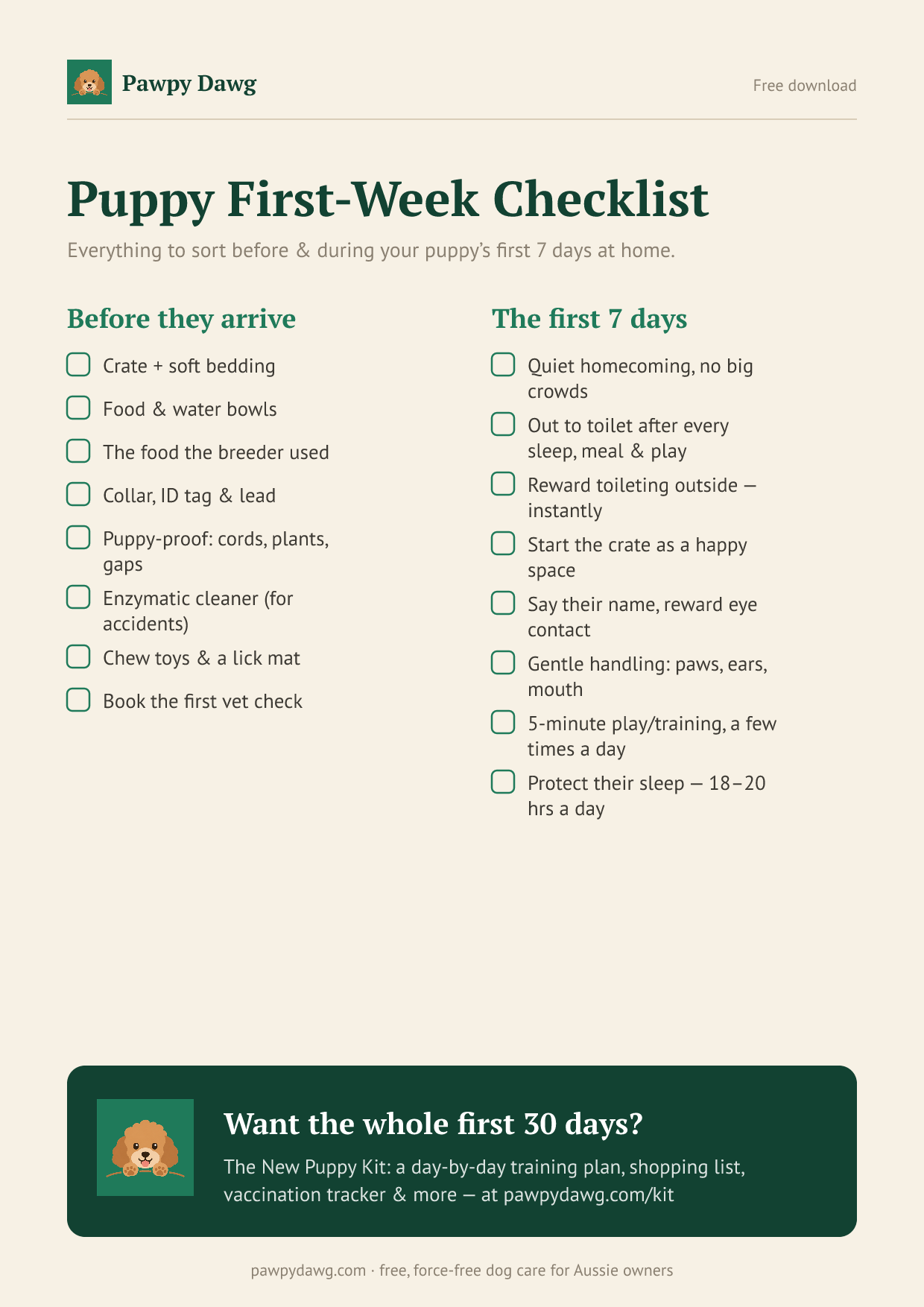
Free printable
Free: the Puppy First-Week Checklist
Everything to sort before and during your puppy's first 7 days home — a printable one-pager. Plus the occasional genuinely useful dog tip. No spam, unsubscribe anytime.
Related guides

Is Pet Insurance Worth It in Australia? The Honest Maths
Is pet insurance worth it in Australia? We crunch real premiums vs real vet bills — cruciate surgery, snake bite & more — so you can decide with confidence.
Read the guide →
How Much a Dog Really Costs Per Year in Australia (2026 Breakdown)
How much does a dog cost per year in Australia? 2026 line-item breakdown covering food, vet, insurance, grooming & the costs first-timers always miss.
Read the guide →
Dog Vaccination Schedule in Australia: What, When and What It Costs
Confused by C3, C5 and kennel cough? Here's your complete dog vaccination schedule Australia cost guide — puppy timelines, adult boosters & typical AUD prices.
Read the guide →